






Acupuncture and cupping get paired constantly, and almost nobody explains why. The short version: they work in opposite directions. Acupuncture works from the inside out, regulating how your nervous system, circulation, and muscles behave. Cupping works from the surface down, lifting tissue and decompressing what is stuck underneath.
Neither one does the other’s job, which is precisely why they are used in the same session.
If you have seen the circular marks and quietly decided against it, read the section on marks below before you rule anything out. They are not bruises, and they are not painful.
What Acupuncture and Cupping Each Actually Do?

Understanding the split makes it obvious why acupuncture and cupping belong together rather than being alternatives you choose between.
1. Acupuncture: Regulation From the Inside
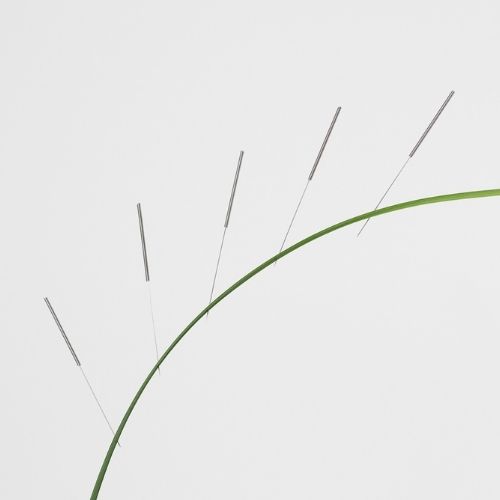
Fine needles at selected points influence circulation, muscle tone, and nervous system activity. The effect is systemic. Acupuncture can shift how tense your shoulders are without anything touching your shoulders, because the change happens through the system rather than at the site.
2. Cupping: Decompression From the Surface
Cups create gentle suction that lifts skin and fascia away from the muscle underneath. Most bodywork presses in Cupping pulls up, which opens space in tissue that has been compressed for months and encourages blood flow into areas that were not getting much.
3. Why Acupuncture and Cupping Cover More Ground Together
A tight upper back is rarely just tight muscle. There is usually restricted fascia, poor local circulation, and a nervous system stuck in a guarded state.
Acupuncture and cupping address different layers of that same picture in one visit, which is why the pairing tends to hold longer than either used alone.
The Marks: What They Are and What They Are Not
This is the number one hesitation, so here is the direct answer.
1. They Are Not Bruises
A bruise comes from impact that ruptures vessels. Cupping marks come from suction drawing stagnant blood and fluid from deeper tissue toward the surface, where they sit until your body reabsorbs them.
That is a different mechanism, and it is why the marks are usually painless to the touch when a bruise is not.
2. Why the Color Varies
Color depends on what was sitting in the tissue. Areas with good circulation often produce light pink marks or nothing at all. Areas that have been tight and underperfused for a long time tend to come up darker.
Practitioners note the color as one data point among many, and it typically lightens across a course of sessions as circulation improves.
3. How Long They Last
Most marks fade within three to seven days. Darker ones can take up to ten. They fade from the outside in, and they do not scar. If a mark is still fully dark after two weeks, mention it at your next visit.
The Practical Details Nobody Writes Down
Booking acupuncture and cupping is easy. Booking it at the wrong time is the mistake people actually make.
1. Do Not Book It Before an Event
Do not schedule cupping in the two weeks before a wedding, a photo shoot, a beach trip, or anything else where your back and shoulders will be visible. This is the most common regret, and it is entirely avoidable with a little calendar planning.
2. What to Wear
Bring or wear something loose that opens at the back, or expect to be draped the way you would be for a massage. Cups are usually applied to the back, shoulders, and sometimes the legs, so clothing that only rolls up at the sleeves will not help.
3. Skip the Hot Shower Afterward
Avoid hot showers, saunas, hot tubs, and intense heat for several hours after your session. The same goes for a hard training session. Skin is more sensitive after suction, and heat tends to increase the intensity of the marks rather than help them.
4. Drink Water and Go Easy
Drink water, eat something normal, and keep the rest of the day light. Feeling pleasantly tired afterward is common and usually resolves by the next morning.
Two People Who Benefit Most
1. Athletes and Anyone Training Hard
Repetitive loading leaves fascia tight and recovery slow. Cupping decompresses the tissue that foam rolling struggles to reach, while the needles support the recovery side of the equation.
A course of acupuncture and cupping is often scheduled around a training block rather than dropped in randomly, and many people notice that the benefits of acupuncture show up most clearly in how well they recover between sessions.
2. Desk Workers With a Permanently Tight Upper Back
Eight hours at a keyboard produces a specific pattern: rounded shoulders, a locked upper back, a stiff neck, and headaches that build through the afternoon.
Cupping opens the compressed tissue across the shoulders. The needles address the tension driving it, which is frequently as much about stress load as posture.
If that is your picture, the work described in the article on acupuncture for stress overlaps with what these sessions target.
What Happens in a Combined Acupuncture and Cupping Session?

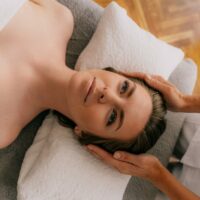
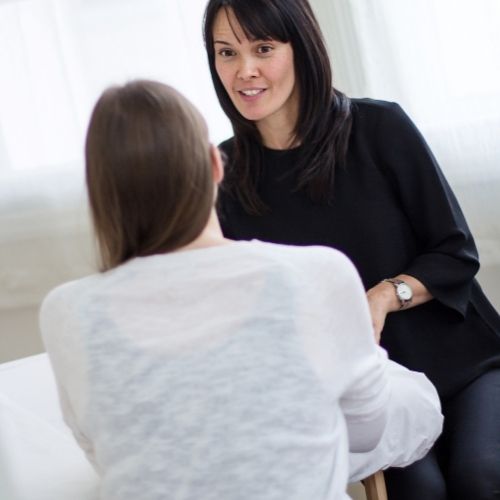
At Sage Wellness, expect a conversation first, then treatment. Needles usually go in first and stay for twenty to thirty minutes while you rest.
Cups are applied after, either left in place for five to fifteen minutes or slid across oiled skin in a gliding technique that feels closer to a deep massage.
The suction sensation is a strong pull rather than a pinch, and it should never be sharp. Say something if it is, and the cup is adjusted or removed immediately.
Sessions combining acupuncture and cupping typically run a little longer than needling alone. If low energy is part of why you booked, the approach described under acupuncture for energy is often layered into the same plan.
An Honest Word on the Evidence
Acupuncture and cupping support the body and help manage symptoms. They do not cure conditions and they are not a substitute for medical care.
Evidence for acupuncture is strongest for chronic pain, including low back pain, knee osteoarthritis, and migraine frequency, and for nausea.
Research on cupping is smaller and less consistent, with the most encouraging findings around musculoskeletal pain and short term relief. Cupping is generally avoided over broken skin, active inflammation, and certain circulatory conditions, and it needs adjusting if you take blood thinners. Persistent or worsening pain should be evaluated by a physician.
Booking Acupuncture and Cupping in the Financial District
If the marks were the thing stopping you, you now know what they are, how long they last, and when not to book. Sessions at Sage Wellness are built around your intake rather than a fixed protocol, so acupuncture and cupping are combined when the pattern calls for it rather than by default.
Start with the complimentary fifteen minute phone consultation and ask whatever is still on your mind.