
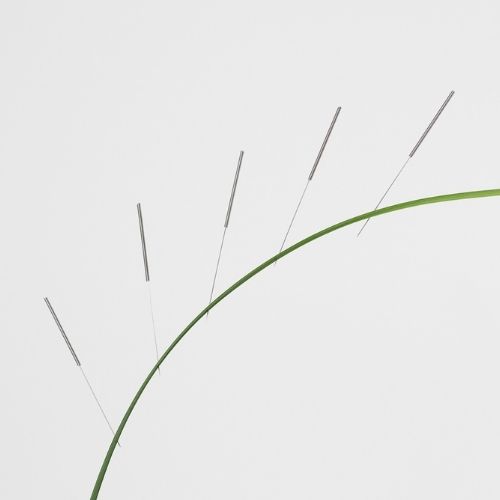









Yes, research supports acupuncture as a preventive migraine treatment: a course of roughly 6 to 16 sessions over six to eight weeks reduces how many attacks you get, and the benefit tends to last for months.
If migraines are shaping your calendar, the goal is not only stopping the next attack but having fewer attacks to stop. If you live with migraine, acupuncture can be part of a plan that does exactly that.
This guide covers what clinical research shows, how acupuncture lowers attack frequency and intensity, and what a structured prevention protocol looks like session by session.
You will also see how hormonal migraines are handled differently and how treatment fits alongside the medication you already take.
Migraine vs. Headache: Knowing What You’re Treating
A migraine is a neurological event, not a strong headache. The distinction matters, because a plan built for muscular tension will not address the nerve and vascular activity driving a migraine.
Stress sits behind both, which is why patients who come to us for acupuncture for anxiety often notice their head pain easing at the same time.
How the two differ:
- Pain quality: a tension headache is dull and pressing, like a band around the head. A migraine throbs or pulsates.
- Location: tension pain sits on both sides. Migraine pain is often one-sided.
- Duration: tension headaches last half an hour to a few hours. An untreated migraine runs 4 to 72 hours.
- Movement: walking up stairs barely changes a tension headache. It reliably makes a migraine worse.
- Other symptoms: tension headaches bring neck and shoulder tightness. Migraines bring nausea and sensitivity to light and sound.
- Aura: tension headaches do not produce it. Migraines sometimes do.
Aura is the clearest marker: flickering lights, blind spots, zigzag lines or tingling in the face or hand, building over several minutes before the pain arrives. Only a minority of people with migraine experience it, and its absence does not make the diagnosis any less of a migraine.
Common triggers worth tracking include skipped meals, disrupted sleep, dehydration, alcohol, weather shifts, screen strain, hormonal changes and sustained neck tension.
Tracking is not busywork. When you start treatment, your trigger log is what tells your practitioner which pattern is actually driving your attacks.
What the Research Says About Acupuncture for Migraines
Acupuncture and migraines have been studied in large randomized trials rather than small pilot studies. The finding is consistent: benefit builds across a course of treatment and tends to hold for months after it ends.
1. What the Cochrane Review Found
The Cochrane review on the prevention of episodic migraine pooled more than twenty trials covering roughly five thousand participants. Adding acupuncture to standard symptomatic care reduced how often migraines occurred compared with that care alone.
Against sham needling the additional benefit was smaller, which suggests part of the effect comes from the needling and part from the structure of care around it.
2. How Acupuncture Compares With Preventive Migraine Medication
The same review found acupuncture at least as effective as preventive drug therapy, with fewer participants dropping out over side effects.
Later randomized trials in major medical journals reinforced this: a course of twenty sessions delivered over four to eight weeks reduced monthly attack frequency more than sham treatment, and the gap widened in the follow-up months rather than fading.
The practical takeaway is that acupuncture behaves like a preventive therapy, not a painkiller. It is measured in attacks per month, not in minutes to relief.
How Acupuncture Reduces Migraine Frequency and Intensity
Curious about the mechanism more broadly? Read how acupuncture works. For migraine, three pathways matter most.
1. Calming the Trigeminal Nerve Pathway
Migraine pain is generated largely through the trigeminal nerve and the vessels it supplies. When that pathway activates it releases inflammatory messengers including CGRP, sensitizing the system so ordinary stimuli register as pain.
Research indicates needling reduces this excitability, which is how acupuncture raises the threshold at which a trigger becomes an attack.
2. Supporting Serotonin and Pain Signaling
Serotonin fluctuates sharply across the migraine cycle, and the same pathway is the target of common migraine drugs.
Acupuncture appears to support the body’s own descending pain inhibition, the system that turns signals down before they reach awareness. Patients describe this as attacks that still arrive but arrive softer and shorter.
3. Releasing Neck and Shoulder Tension
The upper cervical nerves converge with the trigeminal system, so a tight neck is not a separate problem from your head. Releasing the suboccipital muscles, upper trapezius and jaw removes a constant low-grade input feeding that shared pathway.
This is the change most patients feel first, often within two or three sessions.
Across a full course the changes appear in order: attacks become shorter, then less intense, then less frequent. Frequency and intensity are the two numbers worth tracking, and they rarely move at the same speed.
Hormonal and Menstrual Migraines
If attacks cluster on the same days each month, the pattern is hormonal rather than random.
Menstrual migraine is tied to the sharp drop in estrogen just before bleeding begins, so attacks land in a narrow window from roughly two days before the period through the first days of flow.
Migraines that follow the menstrual cycle this closely respond best to treatment timed to the cycle rather than scheduled at random intervals, and because they travel with the rest of your cycle they are often addressed together with acupuncture for period pain.
A hormonal pattern is likely if:
- Attacks arrive within the same few days of every cycle
- Migraines began, changed or worsened at puberty, postpartum or in perimenopause
- The pattern shifted after starting or stopping hormonal contraception
- Attacks come with heavy cramping, breast tenderness or cycle irregularity
- Standard acute medication works less reliably on these attacks than on your others
This is why hormonal migraine acupuncture is planned across the whole month instead of attack by attack. Sessions concentrate in the luteal phase, ahead of the expected estrogen drop, so the nervous system is treated before the trigger rather than after it.
At Sage Wellness this sits inside our women’s health acupuncture care, where cycle mapping is part of the intake. If your cycle is irregular, the first month is usually spent establishing the pattern before session timing is fixed.
The Chinese Medicine View: Why Migraines Happen
Traditional Chinese medicine reads migraine through pattern rather than label, which is how two people with identical symptoms can receive different point prescriptions. Three patterns cover most cases seen in clinic.
1. Liver Yang Rising
Liver Yang rising is the classic presentation: one-sided temple pain, worse with stress, anger or a poor night’s sleep, often with irritability, red eyes and jaw clenching. In modern terms it maps onto stress-driven attacks, and treatment settles that upward pressure.
2. Qi and Blood Deficiency
The pain is duller and more diffuse, arrives with fatigue rather than tension, and worsens late in the day, after skipped meals or after the period. Dizziness and poor concentration are common. This pattern is treated by building reserves, and results come gradually.
3. Phlegm and Damp Obstruction
Heavy, foggy head pain with nausea, pressure behind the eyes and sensitivity to humid weather points here. It frequently overlaps with digestive symptoms, so dietary adjustment accompanies the needling.
Pattern identification is also what determines which acupuncture points for migraines are used in your plan, and it is why treatment is targeted rather than a fixed points list.
Acupuncture for Headaches Beyond Migraine
Many patients arrive with more than one kind of head pain. The same approach covers acupuncture for headaches such as tension-type headache, cluster headache and vestibular migraine, where the plan is adjusted to the pattern behind the pain rather than the label on it.
Neck and shoulder tension, jaw clenching and sinus pressure are frequent secondary triggers, so they are treated within the same plan rather than as separate problems.
Acupuncture Treatment for Migraine: Our 3-Phase Prevention Protocol
A prevention protocol only works if it is structured. Ours runs in three phases, and every plan begins with the same intake used across our practice.
1. Assessment and Pattern Diagnosis
The first visit maps your attack history: frequency, duration, triggers, aura, medication use, sleep, cycle and neck involvement.
Pulse and tongue diagnosis identify the Chinese medicine pattern, and the two together determine the prescription. You leave with a baseline number of migraine days per month, the figure your progress is measured against.
2. The Active Course
The active phase runs one to two sessions per week for six to eight weeks. This is the phase that changes attack frequency, and consistency matters most here.
Missing weeks mid-course is the most common reason a patient concludes treatment did not work. Progress is reviewed at the halfway point from your log, and the prescription is adjusted.
3. Maintenance and Chronic Migraine
Once attacks drop meaningfully, sessions taper to every two to four weeks. Patients needing acupuncture for chronic migraines, meaning headache on fifteen or more days a month, generally require a longer active phase, a slower taper and closer coordination with their neurologist.
Maintenance is when seasonal and cycle-related spikes are anticipated instead of absorbed.
Preventive Migraine Treatment: Acupuncture Alongside Your Medication
Acupuncture is built to work with your medication, not to replace it.
Do not stop or adjust any prescribed migraine medication on your own. That decision belongs to your neurologist or prescribing physician, and your plan here is designed around what you already take.
- Acute medications such as triptans and anti-inflammatory drugs treat the attack in progress. Acupuncture does not compete with them.
- Preventive medications, including CGRP-targeted therapies and daily preventives, share the same goal as a prevention course, so the two are complementary.
- Medication overuse is the risk worth watching. Using acute medication on too many days per month can itself increase headache frequency, and reducing the number of attacks is what relieves that pressure.
Many patients keep their acute prescription unchanged and simply need it less often. That is the outcome to aim for, and the conversation to have with your physician using your own tracked data.
Migraine Acupuncture in NYC
At Sage Wellness, acupuncture for migraines is delivered by licensed acupuncturists in a calm, low-stimulation treatment space, which matters more than it sounds when light and sound sensitivity are part of your condition. It is part of our wider acupuncture in New York City practice.
Sessions are unhurried and your plan is written down, so you always know which phase you are in.
If you have been searching for acupuncture for migraines in NYC and want a plan built around your actual attack pattern, book an assessment.
Bring whatever tracking you have, even if it is incomplete, and bring your neurological care details so treatment can be coordinated properly.
Frequently Asked Questions
1. Does acupuncture help migraines?
Research supports acupuncture as a preventive therapy for migraine. Large randomized trials and systematic reviews show reduced attack frequency compared with usual care alone, with benefits persisting for months after treatment ends.
It works by lowering how often attacks occur, not as a painkiller during one.
2. How many acupuncture sessions do I need for migraines?
Most protocols run one to two sessions per week for six to eight weeks, roughly 6 to 16 sessions, then maintenance every two to four weeks.
The exact number depends on attack frequency, how long the pattern has run and whether a hormonal component is involved.
3. Can acupuncture prevent migraines or only treat an attack?
Prevention is where the strongest evidence sits, and the measurable outcome in research is fewer migraine days per month across a full course.
Treatment during an active attack can ease intensity for some patients, but the purpose is reducing how often attacks happen at all.
4. Can I combine acupuncture with my migraine medication?
Yes, and most patients do. Acupuncture is used alongside both acute and preventive medication, and no prescription should be changed without your physician.
As attack frequency drops, many people reach for acute medication less often, which is worth discussing with your prescribing doctor using your tracking log.
5. Does insurance cover acupuncture for migraines?
Coverage varies by plan. Many New York plans include a set number of acupuncture visits per year, sometimes requiring a referral or a documented pain diagnosis.
Check your benefits before starting a course, and ask us to help verify coverage or provide documentation if your plan works on an out-of-network basis.
6. What does acupuncture migraine treatment involve?
The first visit is an assessment of your attack history, triggers and Chinese medicine pattern, followed by one to two sessions per week for six to eight weeks.
Each session lasts around 30 minutes with fine, sterile needles in place. Once attacks drop, sessions taper to every two to four weeks for maintenance.