


Moxibustion, known as ai jiu in Chinese Medicine, is a “warming” technique using the herb mugwort (ai ye, also called ai cao). Mugwort has been used in many different cultures for its medicinal properties. Moxibustion helps to increase blood circulation, tonify energy and stimulate digestive system function as well as boost the immune system. Moxibustion comes in different forms including direct and indirect moxibustion. It is one of several techniques behind the benefits of acupuncture and Chinese Medicine.
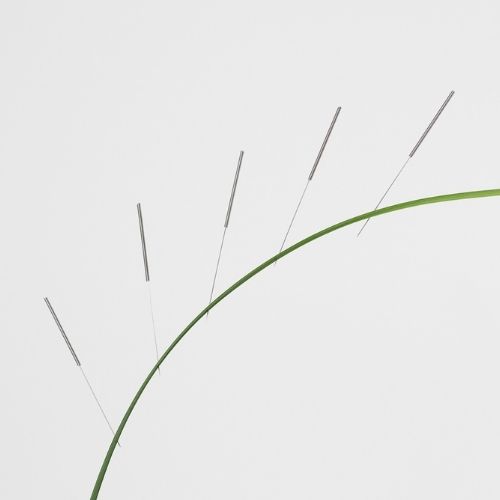
Indirect moxa can be either pole moxa or when moxa is placed at the end of an acupuncture needle and lit. Direct moxibustion is when a cone shaped moxa is placed directly on the skin or is placed on a barrier such as ginger and then placed on the skin. This form of moxibustion is not as commonly used since it can burn the skin.
Moxibustion Benefits: What Moxibustion Therapy Helps With
Moxibustion is used for a variety of health conditions. Since moxibustion is warm and dry it is used in certain health issues where there are deficiencies of energy such as chronic fatigue syndrome as well as certain types of IBS disorders and diarrhea. Moxibustion is very beneficial in treating arthritic conditions as well as joint pain when the pain is predominantly worse in cold or damp weather. Moxibustion is also used in woman’s health disorders such as infertility, ovarian cysts and menstrual cramps. It is also beneficial in improving poor sperm motility and impotence.
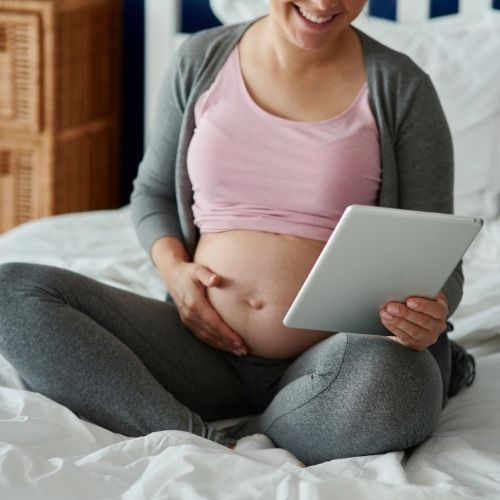
Moxibustion is also a popular technique used for breech presentations, and it is part of our pregnancy acupuncture in NYC. A moxa stick is normally used and placed about an inch away from a point on the little toe. Moxibustion is safe to use but it is warm and drying so people that tend to be warm or experience night sweats should avoid using moxibustion.
Moxibustion Benefits for Females: Period Pain and Women’s Health
Moxibustion for period pain is most helpful when cramps feel better with warmth, such as when a heating pad eases the pain. In Chinese Medicine this is often linked to cold in the uterus, and gentle moxa over the lower abdomen or the lower back is used to warm the area and improve circulation. For women, moxibustion is also used alongside treatment for infertility and irregular cycles when a cold or deficient pattern is present. It is often combined with acupuncture for period pain. Moxa is not used on the abdomen during pregnancy.
Moxibustion for Immunity
During the colder months, moxibustion is a gentle way to support the immune system. In Chinese Medicine, our protective energy is called Wei Qi, and it depends on having enough Qi in the body. A point often warmed with moxa for this purpose is Zu San Li (ST36), on the stomach channel just below the knee, which is traditionally used to strengthen Qi and support a robust Wei Qi. Regular moxa on this point during the winter can help the body build resilience against seasonal colds.
Moxibustion for a Breech Baby
Moxibustion on the point Zhi Yin (BL67), at the outer corner of the little toenail, is traditionally used to encourage a breech baby to turn. It is usually started between 32 and 36 weeks, when the baby still has room to move. A typical plan is one session in the clinic, then daily home moxa on both little toes for about 15 to 20 minutes for one to two weeks, followed by a check with your OB or midwife. Research results are mixed, so it is used alongside your provider’s care, never instead of it.
Moxibustion for Digestion and Fatigue
Because moxa warms and strengthens, it suits digestive issues that feel cold and weak: loose stools, bloating after eating, a poor appetite, or feeling tired after meals. In Chinese Medicine these point to a weak Spleen, and warming points on the abdomen and below the knee are used to support digestion and energy. It is often part of our digestive health acupuncture in NYC.
Moxibustion for Joint Pain That Gets Worse in Cold Weather
Joint pain that aches more on cold, damp days and feels better with heat is one of the classic uses of moxibustion. Warming the points around the knee, low back or shoulder improves local circulation and eases stiffness, and it is often combined with acupuncture and cupping in the same session.
Types of Moxibustion
- Stick (pole) moxa: a cigar-shaped roll of mugwort held above the skin until the area feels warm.
- Needle moxa: a small piece of moxa placed on the end of an acupuncture needle, so warmth travels down the needle.
- Box moxa: moxa burned inside a small box placed over the abdomen or low back to warm a wider area.
- Smokeless moxa: a compressed charcoal version with less smoke, useful for sensitive patients or at home.
What a Moxibustion Session Feels Like
Moxa should feel like a pleasant, spreading warmth, never like a burn. Your practitioner keeps the heat at a comfortable distance and moves or removes it as soon as the area feels hot. Most people find it deeply relaxing, and it is usually done during or after an acupuncture treatment rather than on its own.
Who Should Avoid Moxibustion
Moxibustion is not a good fit if you tend to run hot, have night sweats, a fever, or an active skin infection or rash in the area. It is used with extra care if you have reduced sensation in the skin, such as with diabetic neuropathy, and moxa is not placed on the abdomen or lower back during pregnancy. If smoke bothers your breathing, smokeless moxa can be used instead.
Frequently Asked Questions
What are the main benefits of moxibustion?
Moxibustion is used to warm and strengthen the body. Its most common uses are period pain that improves with heat, cold or damp joint pain, weak digestion and fatigue, immune support in winter, and helping a breech baby turn.
Does moxibustion hurt?
No. It should feel like gentle warmth. If it ever feels too hot, the practitioner moves it further away.
Can I do moxibustion at home?
Yes, for some uses such as breech moxa or winter immune support, but only after your practitioner shows you the right points, distance and timing. Keep moxa away from anything flammable and fully put it out after use.
How often is moxibustion done?
In the clinic, it is usually part of a weekly acupuncture session. Home moxa for a breech baby is daily for one to two weeks, and immune support moxa is often a few times a week during the colder months.
At Sage Wellness, moxibustion is often combined with acupuncture treatment in NYC when warmth is part of your treatment plan.
References:Dharmananda, Subhuti Moxibustion, Practical Considerations for Modern Use of An Ancient Technique, retrieved March 9, 2011 http://www.itmonline.org/arts/moxibustion.htm.
SAGE WELLNESS · FINANCIAL DISTRICT, NYC
Thinking about trying acupuncture?
Book a free 15-minute call with Deb Valentin, L.Ac, and find out if acupuncture treatment in NYC is right for you.