









How Acupuncture Can Be Effective In Reducing Stress
Let’s face it, most everyone has a good amount of stress in their life, some more than others but the demands life, family and work can be overwhelming. Most of my patients come in with some degree of stress that can be one of the factors to why they are dealing with health issues. Oftentimes I hear,”I feel stuck”, “I hate my job but I can’t quit”, I am overwhelmed with the unending projects and tasks”. So what does stress do to the body?
What Stress Does to the Body
Stress causes the sympathetic nervous system or our “flight or fight” response to be activated. This biological response is needed for a quick response in order to get out of danger but our danger is no longer being chased by a tiger-it is the daily grind. As the sympathetic nervous system activates, adrenaline and cortisol levels are released and as a result, your heart rate can increase, your muscles tense up, you may feel the surge of energy to get things done and as soon as you get home, you crash. Your body can not sustain this activity you are outputting and over time your natural energy reserves are being tapped and then you become truly exhausted or you begin to suffer from headaches, stomach issues, body aches and tension, menstrual cramps, or other types of disorders.
Stress in Chinese Medicine
In Chinese Medicine, stress causes havoc in the body and can tax many organ systems. One of the main organs that is affected by stress is the liver. The liver energy helps to move blood flow throughout the body. It helps to create a harmonious environment in the body. When the liver energy stagnates you can experience tension headaches, digestive system issues (which our digestive health acupuncture in NYC treats), PMS, menstrual cramps, tight shoulders and a variety of other health ailments. Stress can also have an effect on the digestive system where gas, bloating, indigestion and IBS symptoms arise. PMS is often due to underlying frustration or stress. Most of my patients that come in for treatment have underlying stress that can be a contributing factor to their health ailments. Therefore, I normally address these symptoms in treatment.
How Acupuncture for Stress Works
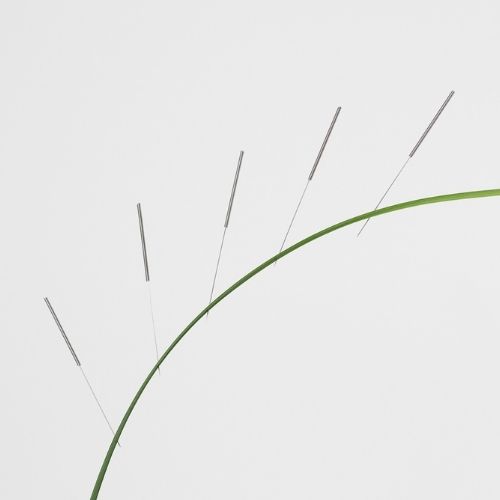
Acupuncture has become a mainstream treatment for stress management because it is safe and effective. Depending on the symptoms and what the patient is manifesting, acupuncture helps to reduce sympathetic nervous system activity as well as reduces cortisol levels. Acupuncture treatments also address the health issues that stress is causing including headaches, PMS, digestive systems issues and anxiety (read more about acupuncture for depression and anxiety). Patients normally feel much more relaxed after treatment and as I say the stress is always there but you are not interacting with it.
Daily Habits to Manage Stress
Other important factors that I emphasize with my patients who experience stress are:
- Setting Boundaries: One of the most important things is to set boundaries with work and home. Leave work by a certain hour and realize, the work will still be there when you get back in the morning so at least live your life a bit.
- Eat regularly: This is important to balance your sympathetic nervous system, allowing your parasympathetic (rest and digestion) to take place. Make sure to take time off when eating and allow your body to just focus on eating instead of doing other things.
- Avoid multitasking: Multi-tasking actually decreases focus and concentration and ultimately is not “more productive” in the long run. Make sure to block times to get things done and avoid checking email throughout that time.
- Avoid the blackberry and computer after work hours: A lot of people try to get things done when they get home. When your body is constantly engaged in activity it never fully relaxes. Slowing down with the seasons helps too, as we explain in fall time in Chinese medicine.
- Avoid caffeine or sugar which are stimulants and tend to cause more anxiety when you are stressed.
Incorporate:
- One daily activity that allows you to relax. This may be exercising, taking a bath or reading a book.
- A mindset that is more flexible instead of trying to “control” everything.
- A healthy diet that enables you to have more sustained energy instead of reaching for candy bars and carbs when you are feeling low energy.
- Mind-body therapies such as acupuncture, reiki or other types of therapies that are aimed to reduce stress and balance your body
Frequently Asked Questions
Does acupuncture help with stress?
Yes. Acupuncture calms the nervous system, shifting the body out of “fight or flight” and into rest. Many people feel relaxed during the first session and notice better sleep and fewer tension symptoms within a few weeks.
How many acupuncture sessions do I need for stress?
Most people start with weekly sessions for four to six weeks, then come every few weeks to maintain the results.
What does Chinese medicine say about stress?
Chinese Medicine links ongoing stress mainly to Liver Qi stagnation, which can show up as tension headaches, tight shoulders, digestive issues and PMS. Treatment focuses on moving Qi and calming the mind. Our guide to acupuncture for depression and anxiety explains how this connects to mood.
Can acupuncture help stress-related sleep problems?
Yes. Better sleep is one of the most common changes patients report, because acupuncture helps the body switch off at night.
SAGE WELLNESS · FINANCIAL DISTRICT, NYC
Ready to feel calmer and sleep better?
Book a free 15-minute call with Deb Valentin, L.Ac, and find out if acupuncture for anxiety in NYC is right for you.