
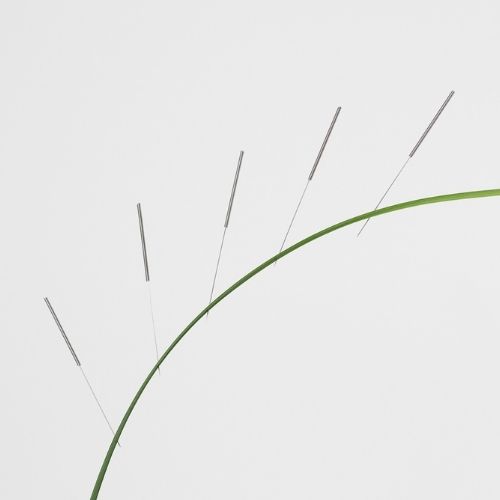

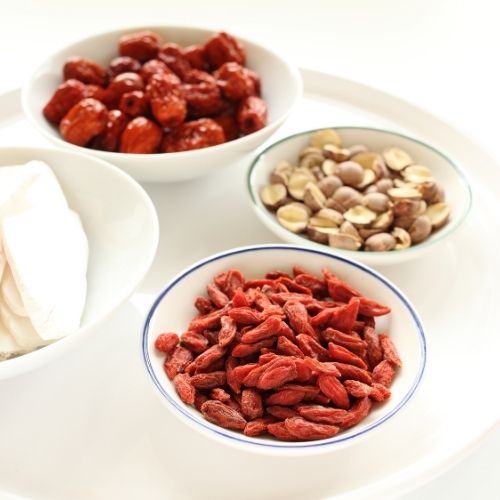



When I first began my Masters in Traditional Chinese Medicine, I went into the medicine thinking I would treat more pain management, but in my clinical studies I found the amazing benefits of Chinese Medicine and women’s health. That is where the passion grew, and now, after many years of practice, I still find the amazing effects of acupuncture and Chinese Medicine in helping women get pregnant.
Chinese Medicine offers much to those who are trying to get pregnant. Let’s first look at the role acupuncture has in fertility. Chinese Medicine views the body with a different “lens”.
Understanding the health of the menstrual cycle, the health of the individual patient and her partner (if she has one) enables me to get an understanding of any imbalances in the reproductive system that need to be addressed in order to help boost fertility. For an overview of treatment, see our guide to acupuncture and fertility.
How Chinese Medicine Looks at Fertility
The entire body is looked at when trying to understand why a person is not conceiving. I also ask for any types of hormone tests and sperm analysis tests that were performed. Using an integrative approach helps women naturally conceive or boosts their chances of getting pregnant with IVF or IUIs. You can read more about how we support patients through acupuncture and IVF.
The 6 Fertility Patterns in Chinese Medicine
Here is a simple breakdown of the Chinese Medicine “archetypes”, or fertility patterns in Chinese Medicine, when looking at fertility:
1. Dry Types
These individuals are often dry vaginally and have scanty fertility mucus during ovulation. Sometimes they have to use a lubricant during intercourse. They can experience long menstrual cycles, night sweats, warm hands and feet, and can also experience insomnia and anxiety. They can even experience hot flashes even if they are young. Their periods tend to be light and dark. They can be diagnosed with amenorrhea (no menstruation), high FSH and low estradiol.
Treatment: The treatment aim is to help nourish fluids. A seed cannot grow in dry soil. Acupuncture, herbal medicine, dietary recommendations, sleep and rest are important to help fluids.
2. Damp Types
These individuals are the opposite of dry. They may experience vaginal mucus throughout the month. They are normally heavier, and can experience sinus congestion, post nasal drip and bloating, particularly from ovulation to the period. These individuals can also be diagnosed with PCOS or ovarian cysts.
Treatment: Acupuncture aimed at moving pathological fluids that may block ovulation or make the uterine lining less optimal for implantation. Chinese herbs help to clear dampness and support regular ovulation.
3. Cold Types
These individuals can have cold hands and feet and experience pain around the period. They can have low basal body temperatures and can also be diagnosed with hypothyroidism. They can experience watery, long menstrual flows.
Treatment: To warm the body using moxa, Chinese herbs, acupuncture and dietary recommendations.
4. Stagnation Types
These individuals can be diagnosed with “unexplained infertility”. They have pain during ovulation and before the period. They may experience headaches prior to the period, have cysts, breast tenderness, bloating and experience definite PMS signs. They are generally depressed or they may feel stuck in their life.
Treatment: Acupuncture to help balance hormones and improve ovulation. Herbs to help improve blood circulation and implantation in the uterus.
5. Blocked Types
These individuals experience painful menstruation with fixed pain in the lower abdomen, clotting during menstruation, and headaches at the onset of menstruation. They can have fibroids or myomas. They can also be diagnosed with endometriosis.
Treatment: I normally have patients “not try” for a couple of months while improving blood flow and removing masses or “stuck” menstrual tissue that may be impeding implantation.
6. Blood Deficiency Types
These types are also dry types, but while they feel dry, they do not feel warm but instead cold. They tend to have light periods, can experience dizziness and heart palpitations, and may be anemic.
Treatment: Nourish blood through acupuncture, Chinese herbal medicine, diet and vitamins.
Fertility Acupuncture at Sage Wellness
This is a simpler idea of the types of “patterns” seen in fertility. Oftentimes, there is more than one pattern present, so it is the art and clinical skills of the practitioner that help to understand how to treat patients in order to get pregnant.
Chinese Medicine helps to optimize fertility and helps boost the natural process of the body so pregnancy takes place from conception to birth. For the wider picture, read our guide to Chinese medicine for fertility and how herbs are used in Chinese medicine to get pregnant. Learn more about our fertility acupuncture in NYC.
Frequently Asked Questions About Fertility Patterns in Chinese Medicine
What are the fertility patterns in Chinese Medicine?
Chinese Medicine groups fertility imbalances into patterns such as dry, damp, cold, stagnation, blocked and blood deficiency types. Each pattern has its own signs and its own treatment approach.
Can I have more than one fertility pattern?
Yes. Oftentimes more than one pattern is present, which is why an individual assessment by an experienced practitioner is so important.
How is my fertility pattern diagnosed?
Your practitioner looks at your menstrual cycle, symptoms and overall health, along with any hormone tests or sperm analysis results, to understand which patterns are present.
Can Chinese Medicine help if I am doing IVF or IUI?
Yes. An integrative approach can help women conceive naturally or boost their chances of getting pregnant with IVF or IUI. Read more in our guide to acupuncture for IVF.
SAGE WELLNESS · FINANCIAL DISTRICT, NYC
Ready to support your fertility naturally?
Book a free 15-minute call with Deb Valentin, L.Ac, and find out if fertility acupuncture in NYC is right for you.