









If you have ever wondered how thin needles could ease pain, calm stress, or support better sleep, you are not alone. Acupuncture has been practiced for thousands of years, yet many people still ask a simple question: how does acupuncture work? The answer blends ancient tradition with modern science. At Sage Wellness, this time tested therapy is used to support the whole body, not just a single symptom.
What Is Acupuncture?

Acupuncture is a core part of Traditional Chinese Medicine that involves placing very fine, sterile needles at specific points on the body. It has been used for more than two thousand years to encourage healing and restore balance.
Today it is one of the most widely used complementary therapies in the world, often chosen alongside conventional care. Professional acupuncture treatments are performed by licensed practitioners who tailor each session to your health history and goals.
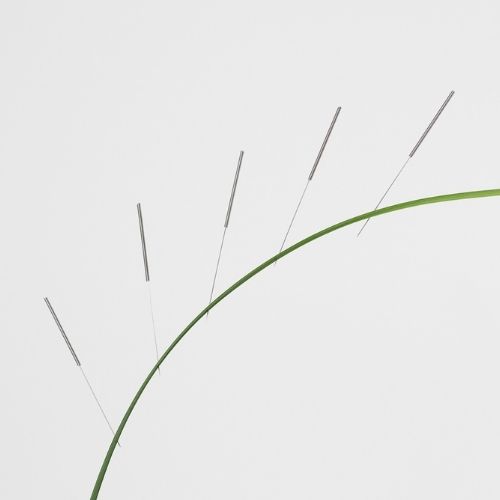
The needles are far thinner than the ones used for injections, which is why the experience is much gentler than most people expect.
How Does Acupuncture Work?

So how does acupuncture work? There are two ways to explain it, the traditional view and the modern scientific view, and both help make sense of why so many people feel real results.
The Traditional Chinese Medicine View
In Traditional Chinese Medicine, health depends on the smooth flow of energy, known as qi, through channels in the body called meridians. When this flow is blocked or out of balance, discomfort and illness can follow.
Acupuncture points sit along these meridians. By stimulating them with needles, a practitioner aims to restore balance and support the body’s natural ability to heal itself.
The Modern Scientific View
Modern research offers a complementary explanation rooted in the nervous system. When a needle is inserted, it stimulates nerves, muscles, and connective tissue at that point.
This stimulation prompts the body to release endorphins, its own natural pain relieving chemicals, and can influence how pain signals travel to the brain. Many practitioners describe this as helping to close the gate on pain.
Acupuncture also appears to improve blood circulation, lower inflammation, and calm the nervous system by reducing stress hormones. Together, these effects help explain why treatment can ease pain while also improving sleep, mood, and overall well being. In short, the clearest modern answer to how does acupuncture work is that the needles act as a signal that encourages the body to regulate and repair itself.
What Happens During a Session?
Understanding what to expect makes a first visit far less intimidating.
Your first appointment usually begins with a consultation that can take up to an hour. The practitioner reviews your symptoms, lifestyle, and health history before creating a plan. Follow up sessions are typically shorter, lasting around thirty to sixty minutes.
During treatment, anywhere from five to twenty thin needles are placed at chosen points. They usually stay in place for fifteen to thirty minutes while you rest. Some practitioners gently move the needles or apply mild warmth or a light electrical pulse to increase the effect.
Most people feel deeply relaxed during a session, and some even drift off to sleep.
Does Acupuncture Hurt?
A common concern is pain, so does acupuncture hurt? For most people, very little. Because the needles are so fine, insertion often causes nothing more than a tiny prick or a brief tingle.
You may feel a dull ache, warmth, or heaviness around a point, which practitioners see as a sign the treatment is working. If anything feels uncomfortable, you can tell your practitioner and the needles can be adjusted right away.
What Can Acupuncture Help With?
Acupuncture is best known for relieving pain, including back pain, neck pain, headaches, migraines, and joint pain. Many people also use it to manage stress, improve sleep, and support digestion.
Its uses reach well beyond pain, though. Acupuncture has become a popular way to support reproductive health, and many couples choose acupuncture for fertility alongside other care. It is also used gently as acupuncture during pregnancy to ease common discomforts.
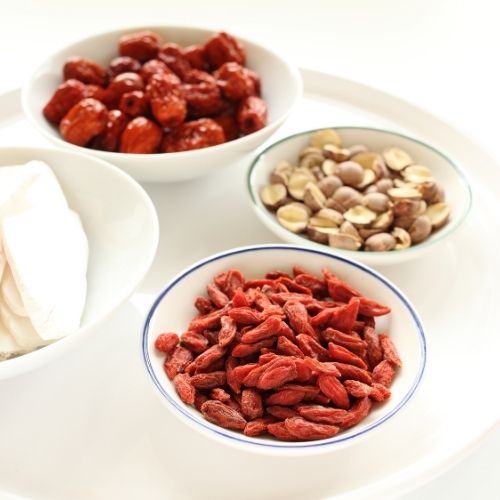
On the cosmetic side, facial acupuncture supports natural skin rejuvenation. And because it fits within a wider system of care, acupuncture is often paired with Chinese Herbal Medicine to strengthen and extend the benefits.
Is Acupuncture Safe?
When performed by a licensed practitioner using single use, sterile needles, acupuncture is considered very safe. Side effects are uncommon and usually minor, such as slight soreness or small bruising at the needle sites.
To stay safe, always choose a qualified, licensed acupuncturist. Share any health conditions or medications, and let your practitioner know if you are pregnant, so your treatment can be adjusted appropriately.
Book Your Session
If you have been curious about this ancient therapy and what it could do for your health, there is no better time to try it. Book a consultation with Sage Wellness and discover how gentle, personalized acupuncture can help your body find balance and feel its best.
Frequently Asked Questions
How many sessions will I need?
It depends on your condition and goals. Many plans start with one or two sessions a week, and six to eight treatments are common before results become clear.
How soon will I feel results?
Some people feel calmer or notice relief after the first session, while other concerns improve gradually over a series of treatments.
Does acupuncture really work, or is it just relaxation?
Beyond relaxation, acupuncture stimulates the nervous system and encourages the release of natural pain relieving chemicals, which is why many people feel lasting benefits.
Is there anything I should do before a session?
Eat a light meal beforehand, wear comfortable clothing, and stay hydrated. Try not to arrive overly tired or hungry.
Can acupuncture be combined with other treatments?
Yes. Acupuncture is often used alongside conventional medical care and other therapies to support better overall results.