



For many women, each period brings cramping that ranges from mild discomfort to pain that disrupts work, sleep, and daily life. While painkillers and hormonal treatments help some, others prefer a gentler, drug free path.
This is where acupuncture for period pain has become a popular choice, valued as part of a holistic women’s health approach that treats the whole body rather than a single symptom.
At Sage Wellness, this time honored practice is used to help women feel more comfortable throughout their cycle. So does it actually work? Here is what the science and clinical practice suggest.
Understanding Period Pain and Its Causes

Menstrual pain, known medically as dysmenorrhea, falls into two categories. Primary dysmenorrhea is pain without an underlying condition.
It is triggered by prostaglandins, natural chemicals that cause the uterus to contract and briefly reduce blood flow, producing cramps in the lower abdomen, back, and thighs. It often starts in the teenage years and tends to ease with age.
Secondary dysmenorrhea is pain caused by a condition such as endometriosis, fibroids, or adenomyosis This type usually worsens over time and requires medical evaluation.
Recognizing the difference matters, because the right treatment depends on what is driving the pain in the first place.
How Acupuncture May Ease Menstrual Cramps?
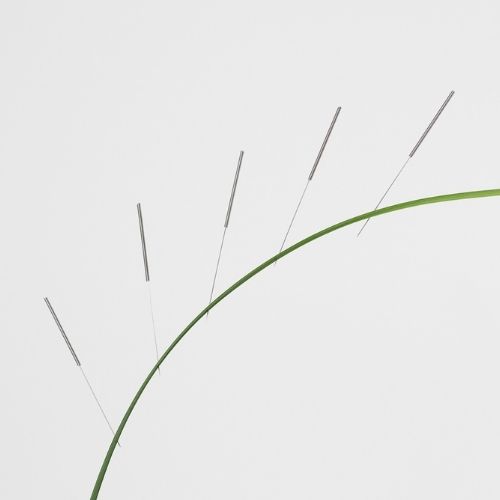
Acupuncture involves placing very fine needles at specific points on the body to stimulate the nervous system and encourage the body’s own healing responses. For menstrual cramps, several mechanisms appear to be at work.
The needles can prompt the release of endorphins, the body’s natural pain relieving compounds, which may lower the intensity of cramps. They can also improve blood circulation to the pelvic region, easing the restricted flow that contributes to pain.
Acupuncture may further calm the stress response and reduce cortisol, since tension often makes menstrual symptoms feel more severe. Some research suggests it can influence prostaglandin activity and support hormonal balance as well.
Because these effects build gradually, professional acupuncture treatments aim to create a calmer, more balanced cycle over time rather than relieving only one painful day.
This is why acupuncture for menstrual cycle regulation is often the goal, not just short term relief, and it is part of what makes acupuncture for period pain appealing to women seeking a natural option.
Acupuncture Points for Period Pain
Practitioners select points based on each woman’s symptoms and overall constitution. Some of the most widely used acupuncture points for period pain include:
- Sanyinjiao (SP6), on the inner lower leg, often used to relieve cramping and support reproductive health.
- Guanyuan (CV4), on the lower abdomen, traditionally used to warm the area and reduce pain.
- Diji (SP8), on the calf, frequently chosen for menstrual cramps.
- Taichong (LV3), on the foot, used to encourage smooth energy flow and release tension.
A skilled acupuncturist tailors the combination to the individual, which is why a personal assessment matters far more than a fixed formula.
What to Expect During Treatment?
A first session usually begins with a detailed consultation covering menstrual history, symptoms, lifestyle, and general health.
Thin needles are then placed at selected points on the abdomen, lower back, legs, and feet, and left in place for around thirty minutes while the body relaxes.
Most people feel only a light tingle, and many find the experience deeply calming.
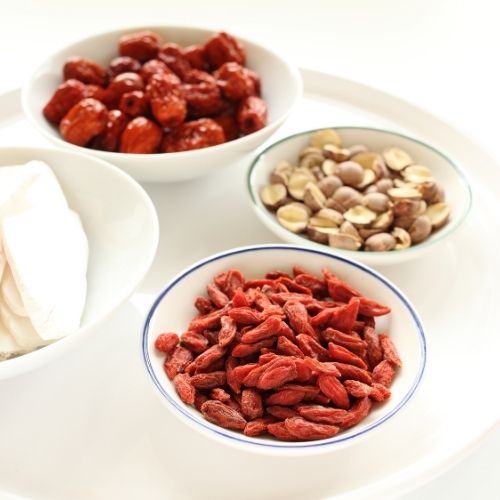
For lasting results, treatment is often spread across two or three menstrual cycles so the benefits can build Acupuncture is also frequently paired with Chinese herbal medicine, which can support hormonal balance and complement the effect of the needles.
Supporting Women’s Health Beyond Period Pain
Menstrual comfort is only one part of a larger picture. Because acupuncture works with the body’s own systems, the same approach that eases cramps can support women through many stages of life.
Sage Wellness provides care that extends to acupuncture for fertility for those trying to conceive, as well as postpartum acupuncture to aid recovery after birth.
This continuity reflects a whole body philosophy, where a healthy, regulated cycle lays the foundation for long term wellbeing.
When to See a Doctor?
Acupuncture for period pain is a valuable complement to medical care, not a replacement for it. Speak to a doctor if period pain becomes more severe with each cycle, prevents normal daily activity, comes with unusually heavy bleeding or unusual discharge, or fails to improve with standard treatment.
These can signal an underlying condition that needs proper diagnosis and management.
Frequently Asked Questions
How many acupuncture sessions are needed for period pain?
Most women start with treatment across two or three cycles and often notice improvement within the first couple of months. A practitioner will recommend a schedule based on individual symptoms.
Does acupuncture for period pain hurt?
Discomfort is minimal. Acupuncture needles are far thinner than those used for injections, so most people feel only a slight sensation, and many find the sessions relaxing.
Can acupuncture help with PMS and other symptoms?
Yes. Many women report that bloating, mood changes, and breast tenderness ease alongside cramps, since acupuncture supports overall hormonal balance.
When is the best time to start treatment?
Research suggests beginning in the week before menstruation works better than waiting until pain appears. Consistent treatment over several cycles tends to be most effective.
Is acupuncture safe?
When performed by a licensed practitioner, acupuncture is considered very safe. Side effects are uncommon and usually limited to minor bruising or brief soreness at the needle sites.