








Irritable Bowel Syndrome is one of the most commonly seen disorders by doctors. Some of the symptoms associated with IBS are abdominal cramping, urgency to defecate, gas, bloating, loose stools, constipation or stools that alternate from loose to constipation. Mucous may also appear in the stool.
In diagnosing IBS, diagnostic medical tests often reveal “normal” findings and therefore people who suffer from IBS often get frustrated with lack of treatment.
So let’s look at this disorder in a more energetic way. First, we need to identify what the digestive system does and what happens when it does not function properly and then understand the effectiveness that Chinese Medicine has on this disorder.
The 5 TCM Patterns of IBS
Spleen Qi Deficiency
Spleen and Kidney Yang Deficiency
Liver and Spleen Disharmony
Cold In The Spleen
Damp Heat In The Large Intestine
How Chinese Medicine for IBS Works
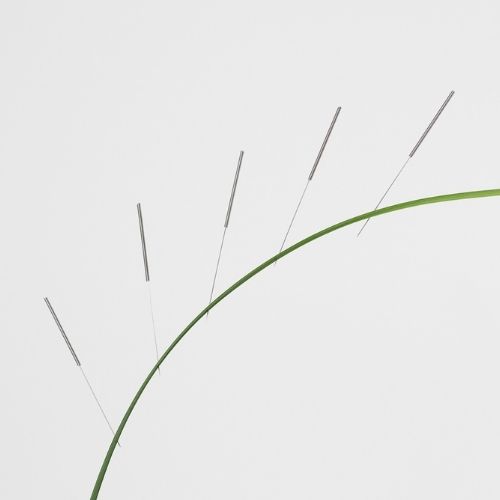
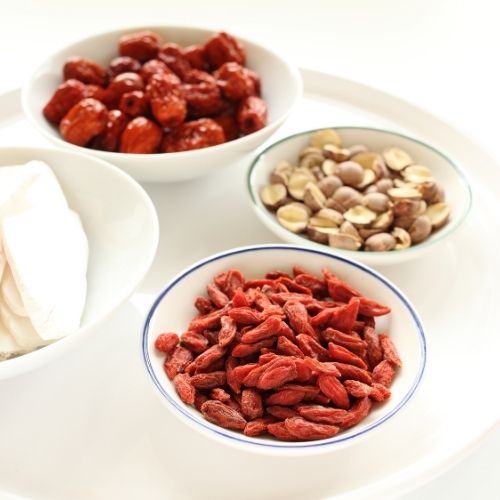
The method of treatment for IBS is specific to the diagnosis. Different herbs and acupuncture treatments are used with each condition as well as dietary recommendations in order to not only treat the symptoms but to further prevent them from appearing.
Spleen Deficiency Type IBS
For example, a spleen deficient diagnosis would call for boosting the digestive energy since it is weak. Bu zhong yi qi tang is a famous herbal prescription used in this type of condition. Along with this herbal formula, acupuncture points would be specific to nourishing and tonifying the digestive system.
Liver Qi Stagnation Type IBS
In liver qi stagnation types of IBS, the treatment protocol is to move the liver energy, which creates the pain in the lower left quadrant in the abdominal region. With this diagnosis, I normally base my formula on Xiao Yao San which relaxes the liver and moves stagnation as well as tonifies the digestive system.
Acupuncture points are used to open the flow of energy in the digestive tract and decrease stress, which is the primary component that causes this condition. As each diagnosis is clearly treated, certain foods are also given to my patients in order to start balancing their digestive system.
FAQ: Chinese Medicine for IBS
Can Chinese medicine help IBS?
Chinese medicine treats IBS by first identifying the pattern behind your symptoms, then combining acupuncture, herbal formulas and diet changes for that pattern. Many patients find it eases cramping, bloating and irregular stools, and it can be used alongside care from your gastroenterologist.
Which Chinese herbs are used for IBS?
Formulas are chosen by pattern rather than by the IBS label. Bu Zhong Yi Qi Tang is often used when digestion is weak, and Xiao Yao San when stress triggers symptoms. Herbs should be prescribed by a licensed practitioner who knows your medications.
How many acupuncture sessions are needed for IBS?
Most patients start with weekly sessions and review progress after six to eight weeks. The plan depends on your pattern, how long symptoms have been present and how you respond to diet changes.
Should I see a doctor before trying Chinese medicine for IBS?
Yes. IBS is diagnosed after other conditions are ruled out. See a doctor promptly if you notice blood in the stool, weight loss, fever or symptoms that wake you at night.
SAGE WELLNESS · FINANCIAL DISTRICT, NYC
Ready to calm your digestion?
Book a free 15-minute call with Deb Valentin, L.Ac, and find out if digestive health acupuncture in NYC is right for you.