


Chinese Medicine’s Approach to PCOS
In Chinese Medicine, the treatment approach to PCOS is dependent on the symptoms of the menstrual cycle along with the whole body health. Not all cases of PCOS are treated the same.
In PCOS, I have seen predominantly two types: phlegm damp where there is weight gain, prolonged menstrual cycles or no menstrual cycles. The other pattern which does not fit your normal PCOS type is one where there are prolonged period or an absence of menstruation.
These types can also be diagnosed after the bpc. These individuals have poor sleep, anxiety, vaginal dryness and overall dryness. Other patterns can include those who have hypothyroidism, or suffer from cold.
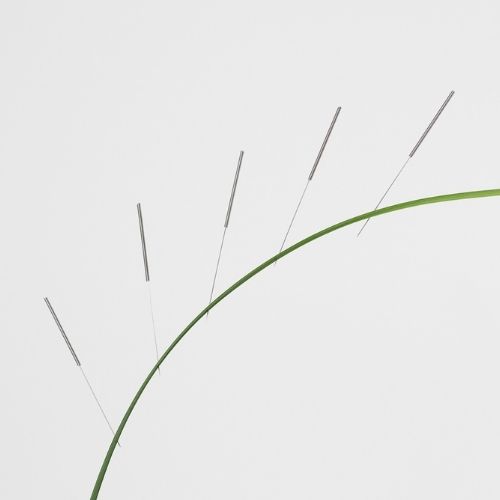
Acupuncture helps to balance hormones and help to boost ovulation and remove the build up of fluids that cause stagnation in the ovaries. It helps to circulate blood flow to the ovaries and uterus which helps hormones to become balanced.
In dry types of PCOS, nourishment is needed in order to restart the menstrual cycle. These individuals may also have low estradiole. Estrogen helps to build the follicle which then reaches a certain size for ovulation to take place. When estradiole is low it takes longer for ovulation to takes place, thus menses. That is why periods can be delayed.
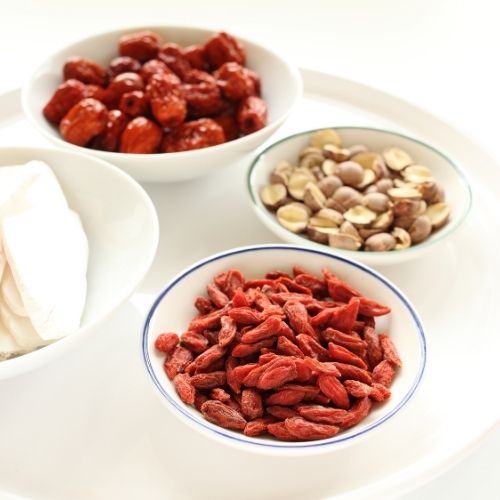
Herbal medicine plays a critical role in PCOS, in conjunction with acupuncture, herbal medicine improves ovulation and menstruation and both help to boost fertility.
Case Study
Jenny (anonymous name) was 20 years old when she came to my office. She was diagnosed with PCOS by her gynecologist. She had irregular menstruation, anxiety and she also suffered from acne and poor sleep.
After meeting with Jenny, I understood that her fluids (kidney and liver yin) were deplete and therefore the heat in her body was present which caused acne and anxiety. I put her on an herbal regiment and told her to do a BBT chart in order to monitor her temperatures in the morning. I also told her to look out for egg white discharge which can signify that ovulation was going to take place.
Jenny took the herbs and acupuncture for 6 weeks and she ovulated. After four months of treatment her menses came every 28 days, her acne cleared, her anxiety is gone and she can now sleep. This is the power of Chinese Medicine. Acupuncture and herbs help to treat PCOS naturally.
The Main PCOS Patterns in Chinese Medicine
Updated November 2026. Chinese Medicine does not treat every case of PCOS the same way. Your practitioner looks at your cycle, your tongue, your pulse and your whole health picture, then identifies one or more patterns:
- Kidney deficiency: long or absent cycles, low energy, low back ache, and sometimes a low libido. The focus is on building the body’s reserves so ovulation can happen.
- Phlegm-Damp: weight gain around the middle, sluggish digestion, heavy limbs and insulin resistance. The focus is on clearing dampness and supporting digestion and blood sugar.
- Liver Qi stagnation: irregular cycles that change with stress, breast tenderness, irritability and PMS. The focus is on moving Qi and calming the nervous system.
- Yin deficiency with heat: acne, anxiety, poor sleep and feeling warm, as in Jenny’s case. The focus is on nourishing fluids and clearing heat.
- Blood stagnation: painful periods with clots and a dark color. The focus is on improving circulation in the pelvis.
Chinese Herbs Commonly Used for PCOS
Herbal formulas are always tailored to your pattern, but several classical formulas are common starting points:
- Cang Fu Dao Tan Wan: for the Phlegm-Damp pattern, used to clear dampness and support regular ovulation.
- Liu Wei Di Huang Wan or You Gui Wan: to nourish Kidney yin or warm Kidney yang, depending on the signs.
- Xiao Yao San: to move Liver Qi when stress clearly affects the cycle.
- Gui Zhi Fu Ling Wan: to improve pelvic circulation when blood stagnation is present.
Some patients also ask about dong quai (dang gui). It is a blood-nourishing herb used inside formulas rather than on its own, and it is not right for every PCOS pattern. Herbs should only be taken after a consultation, especially if you take other medication. Learn more about our Chinese herbal medicine in NYC.
How Long Does Chinese Medicine Take for PCOS?
Most women need at least three months of consistent treatment, because that is roughly how long it takes for a new egg to develop. Some, like Jenny, ovulate within six to eight weeks, while others with long gaps between cycles need four to six months. Tracking your cycle with a BBT chart or ovulation tests helps you and your practitioner see progress.
Chinese Medicine Alongside Your Doctor’s Treatment
Chinese Medicine can be used alongside medical care for PCOS, such as metformin, letrozole for ovulation, inositol, or IUI and IVF. Always tell both your doctor and your acupuncturist about everything you take, so herbs are chosen safely around your medication. In 2026, many fertility clinics in New York City work alongside acupuncturists for exactly this reason.
Because PCOS so often shows up as long or missing cycles, our guides to acupuncture for irregular periods and acupuncture for no periods are useful next reads.
Frequently Asked Questions
Can Chinese medicine help PCOS?
Chinese medicine is used to support more regular cycles, ovulation, skin and mood in PCOS by treating the pattern behind the symptoms. Results depend on your pattern and how consistently you follow treatment.
What is the best Chinese herb for PCOS?
There is no single best herb. The right formula depends on whether your PCOS shows a Kidney, Phlegm-Damp, Liver Qi or heat pattern, which is why a consultation comes first.
Can I take Chinese herbs while trying to conceive with PCOS?
Yes, many women do, with formulas adjusted to each phase of the cycle. Your practitioner will tell you when to pause or change herbs once you are pregnant.
Learn more about our acupuncture for PCOS in NYC.
SAGE WELLNESS · FINANCIAL DISTRICT, NYC
Ready to bring your cycle back into balance?
Book a free 15-minute call with Deb Valentin, L.Ac, and find out if acupuncture for PCOS in NYC is right for you.